AI and automation, applied to real 3DEXPERIENCE & CATIA workflows
Project details below are described generically to respect client confidentiality — no client names, tenant IDs, or internal documents are shown. What's real is the architecture and the results.
An automated design-to-build pipeline for mass timber construction
The Challenge
A mass timber manufacturer's engineering process depended on someone manually noticing when a building specification was approved, then manually rebuilding structural and envelope models in CATIA to match. Every revision meant repeating that manual handoff — slow, and an easy place for models to drift out of sync with the approved spec.
What I Built
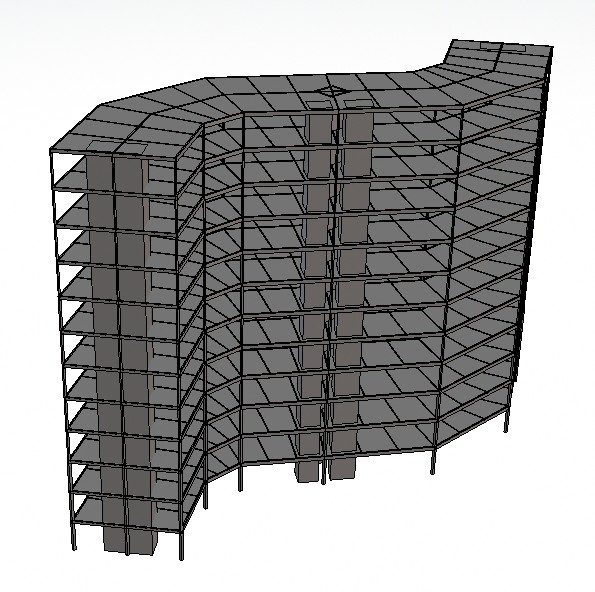
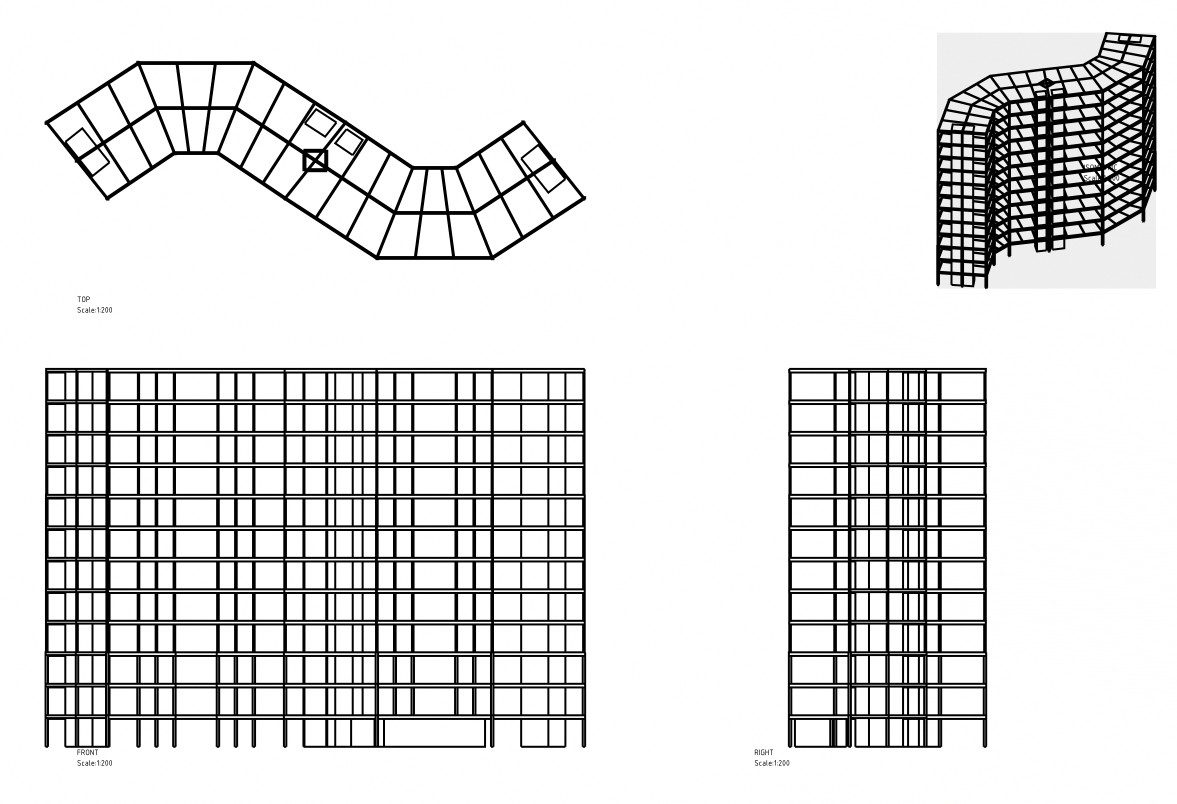
An orchestration layer that watches the specification document's approval state directly in the PLM platform. The moment a spec is approved, it automatically launches multiple CATIA sessions in parallel — one building the structural model, another building the building envelope — each driven off a shared, versioned build plan so the two stay consistent with each other and with the approved spec.
The Result
What used to require manual monitoring and rebuild work now runs unattended: approval to updated CAD model with no human in the loop, and structure/envelope models that are guaranteed to be built from the same approved source of truth.
Reconciling BIM data from IFC models and architect drawings for CAD automation
The Challenge
Automating CAD generation from BIM data only works if the underlying geometry is trustworthy. IFC models are dimensionally authoritative but not always fully labelled; architect PDF drawings carry the labels and callouts engineers rely on, but their coordinates don't always agree with the model. Feeding either source into automation on its own produced grids, footprints, and section markers that didn't line up.
What I Built
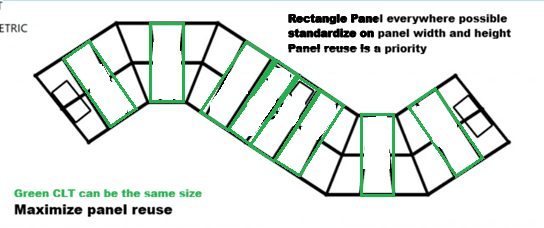
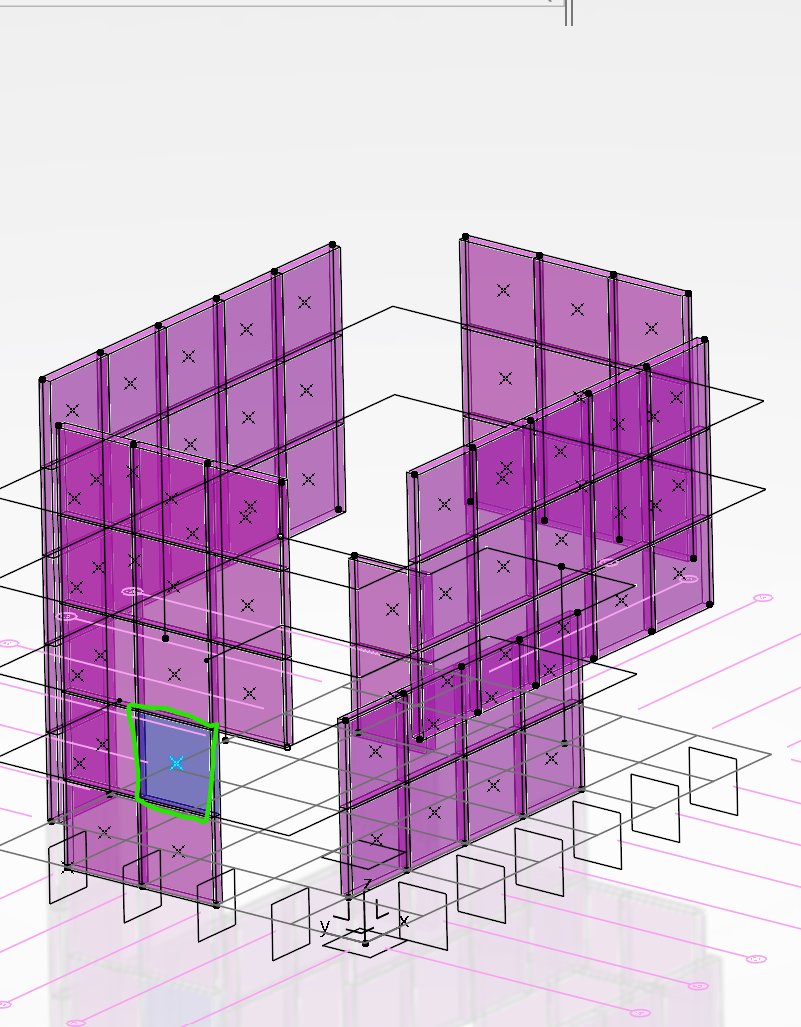
A reconciliation pipeline that treats the IFC model as the geometric source of truth and the PDF as the labelling source of truth. Matched elements become anchor points; unmatched PDF-only geometry is mathematically rebased onto the IFC coordinate frame between the nearest anchors, so architect intent is preserved without breaking dimensional accuracy. The same pipeline extracts a full mounting-context footprint per building storey — panels, walls, and substructure, each classified by material and structural role — so downstream automation knows what's allowed to mount to what.
The Result
Consistent, labelled building grids and footprints feed directly into CATIA automation, removing a step that previously required an engineer to manually cross-reference drawings against the model by hand.
PLM process automation at scale
The Challenge
Beyond CAD, PLM teams lose time to repetitive administrative work inside the platform itself: creating dozens of tasks by hand from a project plan, duplicating structured objects (parts, buildings, assemblies) one at a time through the UI, and manually reading and highlighting incoming documents for review.
What I Built
A set of headless automations against the PLM platform's REST APIs — no CAD session required. Bulk task creation from a spreadsheet in one pass. Type-agnostic object duplication that works against any duplicatable reference in the system. Automated document review that reads incoming files and highlights the specific spans a reviewer actually needs to evaluate.
The Result
Administrative work that used to take an engineer or coordinator an afternoon now runs in minutes, freeing that time for actual engineering judgment.
AI in practice
A closer look at the AI-assisted workflows referenced in the case studies above. Click any image to enlarge.
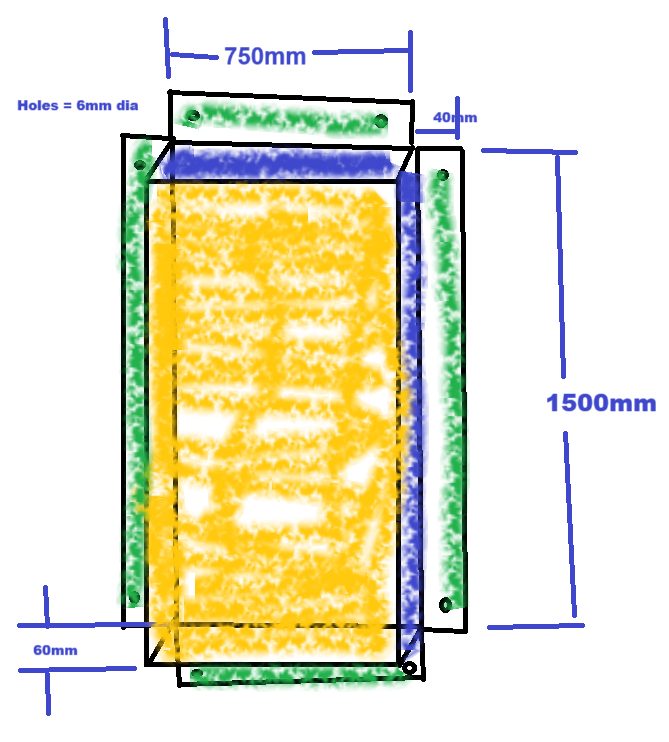
AI-generated panel analysis from a sketch
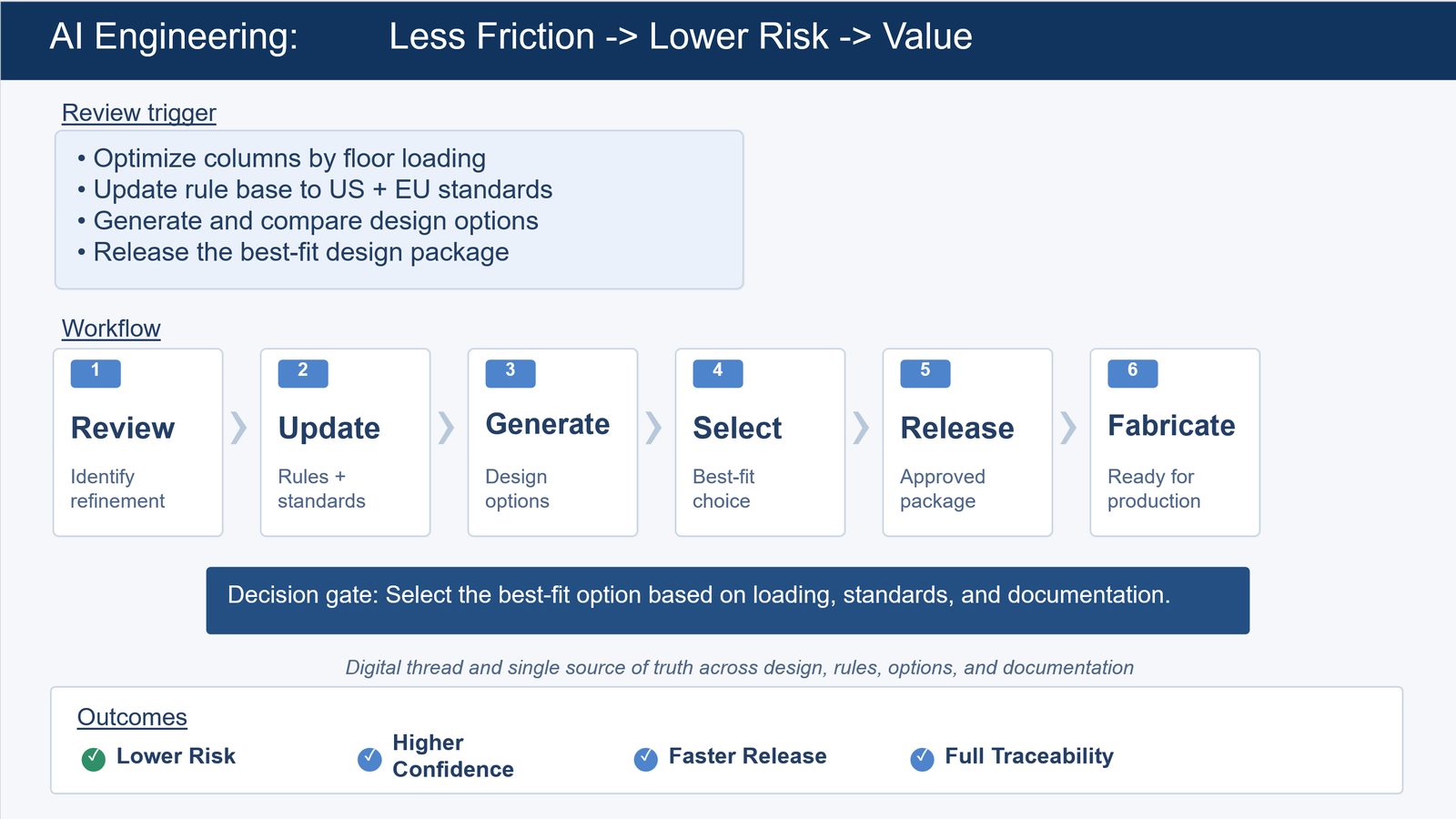
AI engineering workflow, end to end
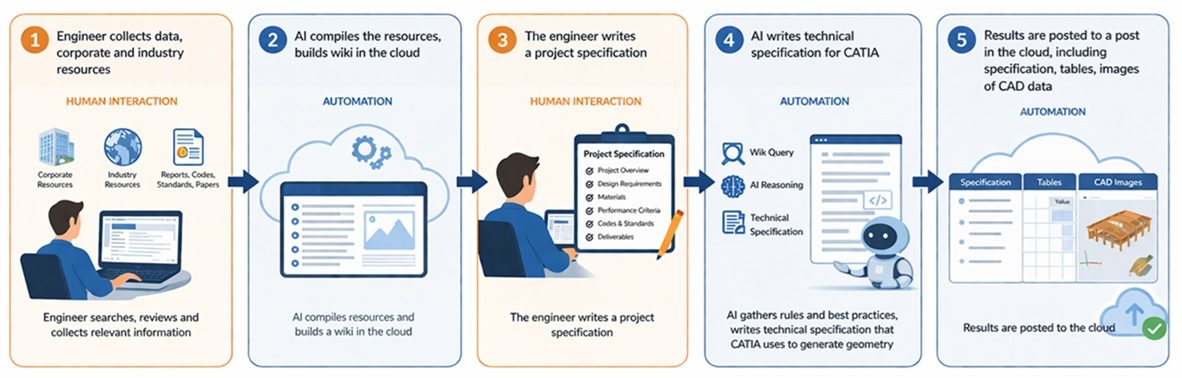
AI + engineer collaboration model
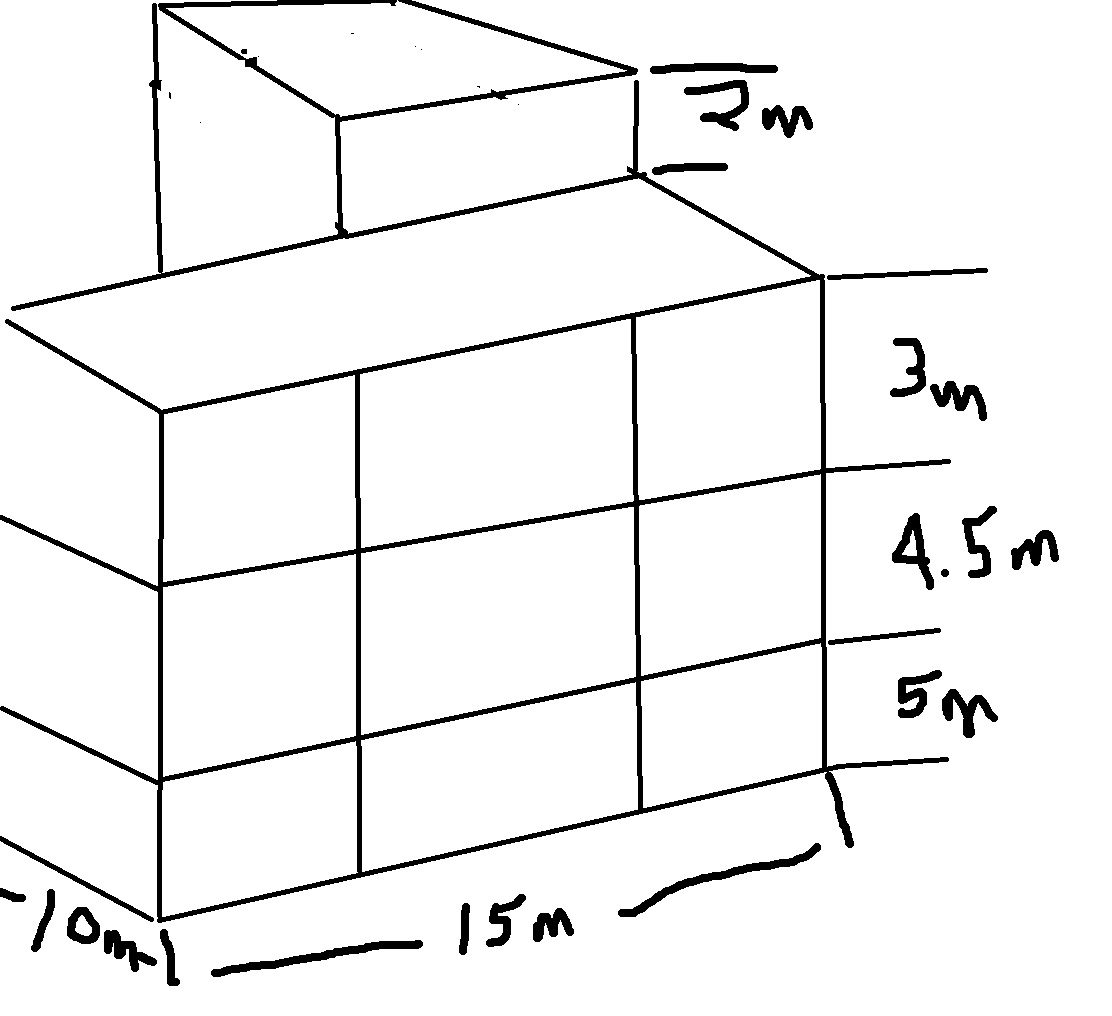
Where it starts: a concept sketch
Walkthroughs and behind-the-scenes automation
Build walkthroughs and AI + PLM breakdowns from my YouTube channel — click any thumbnail to play.
 ►
►
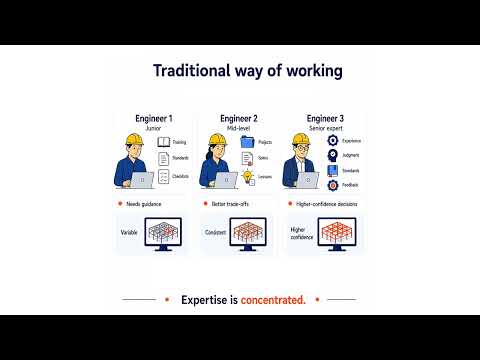
Why adopt AI in the product development process?
 ►
►
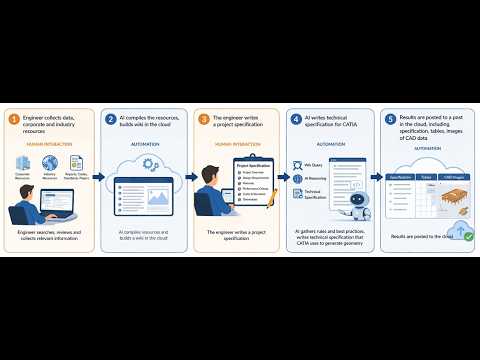
AI Enabling Engineering
 ►
►
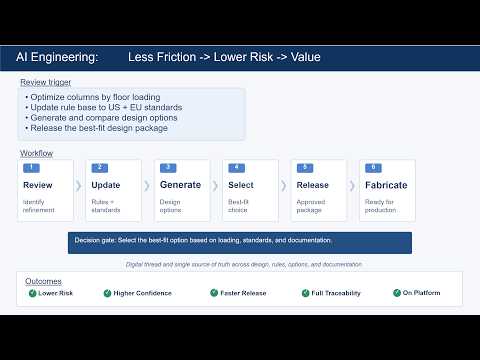
AI for Engineers
 ►
►
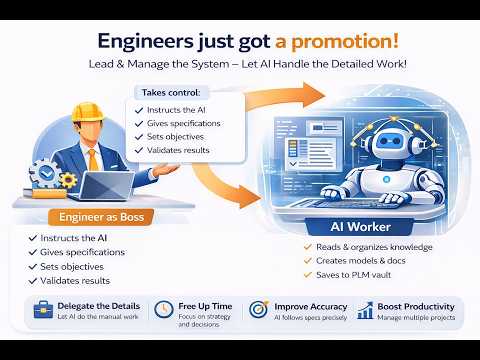
The Engineer Just Got a Promotion — AI Is Making You the Boss
 ►
►
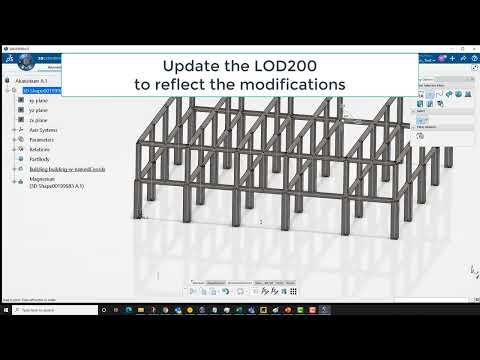
LOD400 3DEXPERIENCE Automation & Designer Interaction
 ►
►
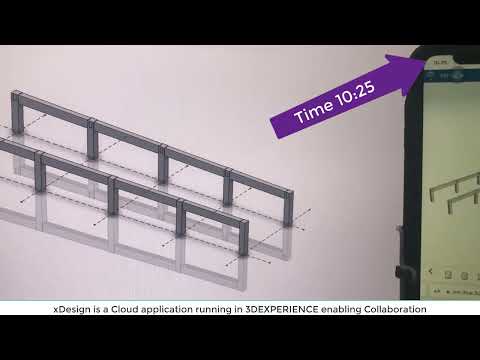
Collaboration Between Designer & Reviewer, Realtime
 ►
►
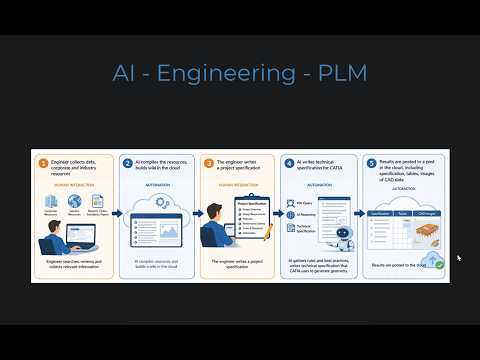
Pivot and Scale: End-to-End Workflow
 ►
►
Simulation of Mechanical Systems
Have a workflow that looks like one of these?
If any of this sounds like a process your team is still doing by hand, let's talk about what automating it could look like.
Book a Consultation